All-Inclusive Tire Shop Services to Keep Your Tires Rolling
Tire shop services play an essential role in vehicle safety and functionality. Regular maintenance, such as pressure checks and rotations, extends tire life and ensures peak traction. Selecting the right tires for particular driving conditions further improves handling and efficiency. However, many drivers neglect these vital services. Understanding the full scope of tire care can lead to significant gains in both safety and cost-effectiveness. What factors should be prioritized to enhance tire performance?
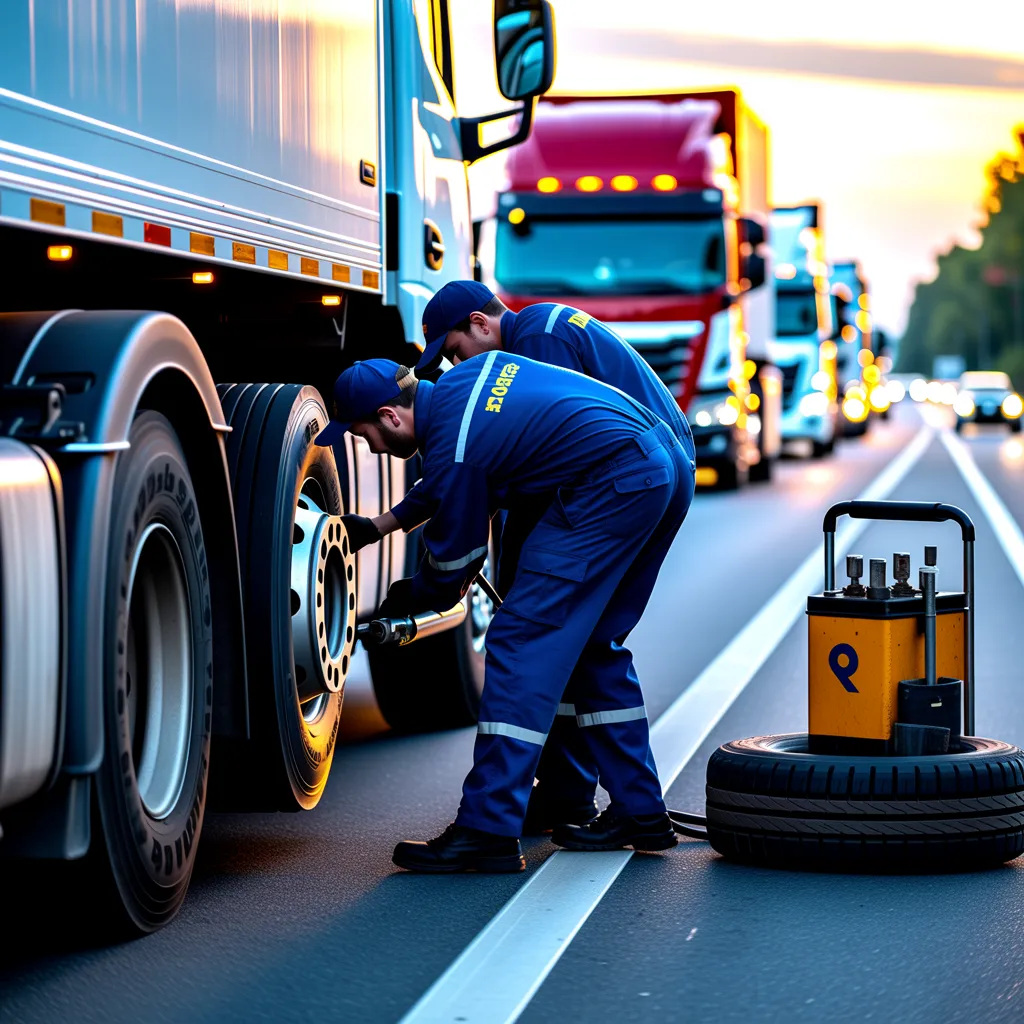
The Key Reasons for Caring for Your Tires for Secure Driving
Tire maintenance serves as an crucial role in guaranteeing vehicle security. Regularly inspecting tire pressure, tread depth, and overall condition can avoid hazardous situations on the road. Under-inflated tires may lead to decreased traction, raising the risk of sliding or blowouts, especially in unfavorable weather conditions. On the other hand, over-inflated tires can create uneven comprehensive article wear and compromise handling.
In addition, regular tire rotation supports even wear, maximizing their lifespan and optimizing performance. Adequate alignment and balancing further contribute to safe driving by preventing vibrations and guaranteeing stability.
Overlooking tire maintenance not only threatens safety but also impacts fuel efficiency, creating higher costs over time. Drivers are advised to inspect their tires monthly and pursue expert assessments during regular service visits. By prioritizing tire maintenance, vehicle owners can substantially reduce the chance of mishaps and provide a safer, smoother journey.
Picking the Correct Tires for Your Automobile
Selecting the right tires is essential for ideal vehicle operation and safety. Understanding the different tire types and their specifications can guide consumers in making well-informed decisions. This understanding guarantees that drivers select tires that best suit their driving conditions and vehicle requirements.
Tire Formats Interpreted
Determining the correct tires for a ride can greatly affect safety, functionality, and energy consumption. There are several types of tires on the market, each engineered for particular driving conditions and specifications. All-season tires deliver a well-rounded performance for multiple weather conditions, making them a favored choice for daily driving. In contrast, winter tires are built with custom tread patterns and rubber compounds to provide improved traction on snow and ice. Performance tires, created for sports cars, boost handling and cornering capabilities at higher speeds. Off-road tires possess dominant treads for better grip on rugged terrains. Understanding these differences permits vehicle owners to decide on tires that best fit their driving style and the environment in which they operate.
Learning About Tire Specifications
Learning about tire parameters is critical for ensuring ideal performance and safety in any automobile. Each tire comes with a series of specifications, including width, aspect ratio, and diameter, which are indicated on the sidewall. The width, measured in millimeters, affects traction and handling, while the aspect ratio reflects the tire's height relative to its width, affecting ride comfort. Additionally, the diameter, represented in inches, must match the vehicle's rim size for proper fitment. Other key factors include load index and speed rating, which establish how much weight a tire can carry and its maximum speed capability. Selecting the appropriate tires based on these parameters improves driving experience, boosts fuel efficiency, and ensures safety on the road.
Advantages of Professional Tire Setup
While many car owners may consider DIY tire installation to cut costs, the advantages of professional tire installation often exceed the initial cost. Professionals have the necessary training and experience to ensure that tires are installed properly, reducing the risk of incorrect fitting that can cause safety hazards. Additionally, they utilize specialized equipment that assures accurate alignment, resulting in a more comfortable drive and improved handling.
Moreover, professional installation often includes a comprehensive inspection of the vehicle's tire alignment and suspension components, detecting possible issues that a amateur installer might overlook. This preventive approach can prolong the life expectancy of both tires and vehicle components, ultimately reducing money in the long run. Additionally, many tire shops provide warranties on their fitting services, giving vehicle owners with peace of mind. By investing in expert installation, drivers can improve security, performance, and longevity, making it a wise choice for any vehicle owner.
Understanding the Necessity of Tire Rotation Practices in Maintenance
Consistent tire rotations are fundamental for maintaining peak vehicle performance and strengthening tire endurance. By balancing tire wear, this practice helps warrant even tread levels, which can extend the lifespan of the tires. Consequently, drivers can witness improved traction and safety on the road.
Improved Tire Lifespan
Tire rotations are crucial in increasing tire longevity by maintaining even wear among all tires. This approach helps to distribute the weight and forces on each tire, which vary depending on their position on the vehicle. Front tires usually have more wear due to steering and braking forces, while rear tires may wear differently based on driving habits and road conditions. Regular tire rotations, typically advised every 5,000 to 8,000 miles, can significantly lengthen tire life, reducing the need for replacements. Ensuring all tires wear evenly allows vehicle owners to enjoy better performance, safety, and cost-effectiveness over time, ultimately capitalizing on their tire maintenance investment.
Upgraded Car Capabilities
Maintaining balanced tire wear with rotations greatly enhances vehicle performance. Regular tire rotations ensure even distribution of wear across all tires, which is essential for ideal handling, traction, and stability. This practice helps prevent premature tire degradation and guarantees that the vehicle responds predictably in various driving conditions. Uneven tire wear can result in decreased steering, increased road noise, and diminished fuel efficiency, all of which negatively impact overall performance. Additionally, consistent rotations foster a smoother ride by minimizing vibrations and improving ride quality. By prioritizing tire rotations as part of routine maintenance, vehicle owners can improve safety, extend tire lifespan, and enjoy a more efficient driving experience. Ultimately, this simple maintenance task plays a significant role in vehicle performance.
What Frequency Should You Use for Tire Alignment?
How often should motorists think about straightening their tires? Tire alignment is a vital aspect of vehicle care, typically suggested every 6,000 to 10,000 miles. However, various circumstances can influence this interval. For instance, frequent driving on rough roads, hitting potholes, or experiencing uneven tire wear may require more regular alignments.
Also, operators should monitor their car's handling characteristics; if the steering apparatus pulls to one side or if the tires exhibit uneven wear patterns, an alignment evaluation is suggested. Climate variations and tire rotation can also influence alignment needs, stressing the value of periodic inspections.
Ultimately, adopting a preventative strategy to tire alignment can enhance vehicle performance, boost fuel efficiency, and prolong tire lifespan. Routine inspections ensure that the vehicle stays safe and operates smoothly, making it crucial for all drivers to remain attentive about their tire alignment schedule.
Flat Tire Fix Solutions and Best Tire Upgrades
When confronted with a flat tire, drivers have several effective options to contemplate for quick repairs and permanent improvements. Immediate solutions often involve employing tire compounds or patches, which can briefly seal small holes and allow drivers to reach a service station. However, for a longer-lasting option, professional patching or replacement is recommended, particularly for larger damages.
Besides repairs, upgrading to higher-quality tires can enhance overall performance and safety. All-season or performance tires can provide improved traction and handling, while run-flat tires offer the feature of driving limited mileage after a puncture, removing the immediate need for a replacement. Drivers should also consider investing in regular tire maintenance, including rotations and pressure checks, to extend tire life and prevent future flats. Ultimately, a combination of effective repair strategies and quality upgrades can confirm that drivers remain safe and mobile on the road.

Commonly Asked Questions
How Can I Determine if My Tires Are Deteriorated?
To evaluate if tires are exhausted, one should look at tread depth, examining wear indicators. Cracks, bulges, or uneven wear also signal potential issues. Ongoing checks and monitoring can maintain safe driving conditions.
What Is the Lifespan of a Standard Tire?
A typical tire's life expectancy varies from 25,000 to 50,000 miles, contingent on variables such as driving habits, care, and terrain type. Periodic examinations can aid in determining when a tire demands substitution.
Is it Possible to Use Different Tire Makes on My Automobile?
Blending different tire brands on a vehicle is generally not recommended. Variations in tread patterns, rubber compounds, and performance characteristics can cause uneven wear, impaired handling, and decreased safety, potentially affecting overall driving stability.
What may I Do if I get a tire blowout?
When a tire blowout happens, the driver needs to stay calm, grip the steering wheel firmly, slowly decelerate, and move carefully to safety at a safe location before evaluating the damage and contacting for help.
What Steps Should I Follow to Keep My Tires Properly?
To correctly store tires, clean them completely, stack them upright in a cold, moisture-free space away from direct sunlight, and ensure they are not pressing against their sidewalls to preserve their shape and integrity.